
Mesa County Criminal Court Records
A criminal court record is the court clerk's case file for a prosecution. In Mesa County, state criminal cases are handled in the 21st Judicial District through District Court and County Court at the Mesa County Justice Center. Felony criminal cases are District Court matters. Misdemeanors and many traffic misdemeanors are commonly County Court matters, although felony complaints and preliminary steps can begin lower before moving to District Court.
The criminal court file is narrower than all public safety records and broader than a charge list. It may include complaints, informations, indictments, advisements, arrest warrant returns, bond orders, motions, plea paperwork, disposition sheets, sentencing orders, probation terms, and mittimus documents. For the narrower arrest-to-charge pathway, use the arrest and court charge record context. For all case types, use the broader Mesa County court records access route.
Federal criminal cases are separate from Mesa County state criminal court records. Federal case access commonly starts with PACER, which is the official federal public access system.
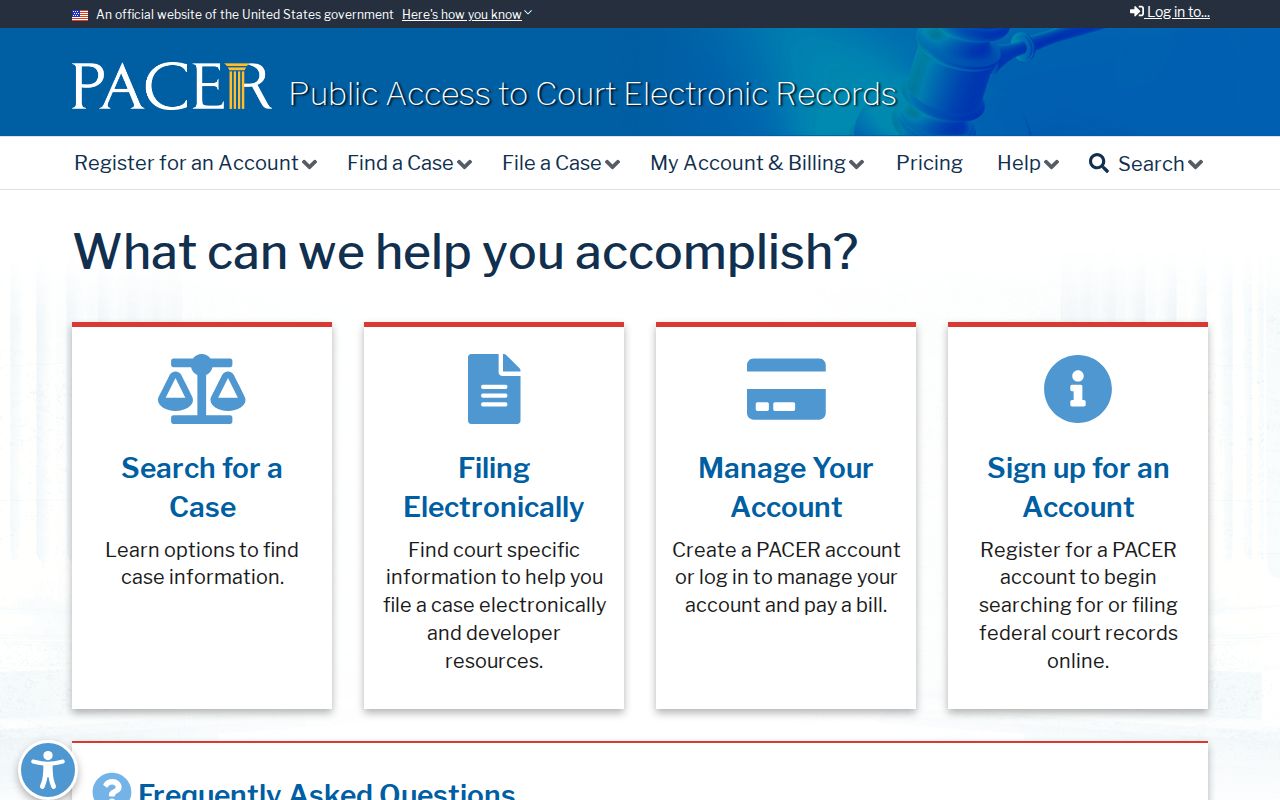
PACER is relevant only when the criminal matter is federal, not when the case is a Mesa County District Court or County Court prosecution.
Search Mesa County Criminal Cases
Start with the Colorado Judicial Branch Docket Search. Select Mesa County, then use District Court for felony files or County Court for many misdemeanor and traffic misdemeanor files. A date range is part of the search, but it is not enough by itself. The docket search requires at least one filter in addition to date. Useful criminal filters include case class CR, the four-digit case year, case sequence, defendant name, attorney name, bar number, court type, courthouse, and county.
Docket results can help locate the correct criminal case, but they usually do not supply every case document. Use the Colorado Judicial Branch record/document request form when the needed item is a filed complaint, plea paper, order, sentence, judgment, probation condition, or other criminal court document. The Mesa County Clerk of Court can also help with copy and certification questions by phone or in person.
- Open the Colorado Judicial Branch docket search.
- Select Mesa County and choose District, County, or Both as the court type.
- Enter a date range and at least one non-date filter, such as case class CR, case number parts, defendant name, or attorney information.
- Review case number, court type, party names, hearing entries, and disposition details to confirm the correct case.
- Submit a court document request or contact the Clerk of Court when copies or certified records are needed.
Mesa County Criminal Case Flow
Criminal court records should be read as a timeline. The earliest court filings may identify charges, bond, advisement, and the first hearing. Later entries can show motions, continuances, amended charges, plea settings, trial settings, verdicts, dismissal, deferred outcomes, sentencing, probation, or mittimus documents. A single case may show charges that change before final disposition.
Case flow: Charges Filed › Advisement or Arraignment › Pretrial and Motions › Plea or Trial › Disposition › Sentencing and Supervision
| Stage | What Happens in the Court Record |
|---|---|
| Charges Filed | The prosecution files a complaint, information, indictment, or amended charge document that opens or changes the criminal case. |
| Advisement or Arraignment | The defendant is advised of rights and charges, and plea issues begin. Bond or release terms may be recorded. |
| Pretrial and Motions | The record may show motions, orders, discovery disputes, settings, continuances, and case-management events. |
| Plea or Trial | The file may show a plea, trial verdict, acquittal, dismissal, or deferred outcome. |
| Disposition | The court records the outcome of each charge or case. |
| Sentencing | The file may show jail, prison, probation, fines, costs, treatment, restitution, or other conditions. |
Mesa Criminal Court Record Fields
A Mesa County criminal court record may include both docket fields and filed documents. The public search fields help identify the case. The full file can show the substance of filings and orders if the record is not sealed, confidential, or redacted. The most important reading habit is to separate allegations, hearings, and final outcomes. A charge listed early in the file is not the same as a conviction or sentence.
| Field | What It Shows |
|---|---|
| Case Number | The four-digit year, case class, and sequence used to identify the criminal file. |
| Court Type | District Court for felony and higher matters or County Court for many misdemeanor and traffic misdemeanor matters. |
| Defendant | The person charged in the criminal case, subject to privacy and redaction rules. |
| Charges | The alleged offenses, counts, class or level, and later amendments when shown in the public file. |
| Attorney | Defense counsel, prosecutor, or attorney bar information when listed. |
| Bond or Release | Release conditions, bond orders, or warrant-return details when included. |
| Plea | A guilty, not guilty, no contest where allowed, or other plea entry if public. |
| Motions and Orders | Requests by parties and the judge's rulings on those requests. |
| Disposition | The result of the charge or case, such as conviction, dismissal, acquittal, or deferred outcome. |
| Sentence | Jail, prison, probation, fines, costs, treatment, restitution, or other terms imposed after conviction. |
Mesa Charges vs Convictions
Criminal court records can show charges that never become convictions. A filed charge is an accusation. It may be amended, reduced, dismissed, deferred, resolved by plea, tried to verdict, or acquitted. A conviction is a court outcome based on a guilty plea, qualifying plea result, or verdict. Reading the disposition and sentence is essential before treating a charge as a final outcome.
| Point | Charge | Conviction |
|---|---|---|
| Meaning | An allegation filed in court. | A final guilt outcome by plea or verdict. |
| Where it appears | Complaint, information, indictment, amended charge, docket, or advisement entry. | Disposition, judgment, plea paperwork, verdict, sentence, or mittimus. |
| Can change | Yes. It can be amended, reduced, dismissed, or refiled if legally allowed. | Less often. It may be appealed, corrected, sealed, or otherwise affected by later orders. |
| How to read it | Check count, statute, class, filing date, and status. | Check final disposition, sentence, and any probation or restitution terms. |
For a closer look at allegations filed after arrest, the arrest records and charges page focuses on charge records before the full court file is read to disposition.
Mesa Criminal Records Access
Colorado court-record access is governed by court policy and statutes, not only by county public-record rules. Chief Justice Directive 05-01 governs public access to Colorado court records and allows privacy limits, redactions, sealed files, and confidential categories. The Mesa County CORA form expressly says county CORA requests are for county records only and that court cases, including criminal cases, are not kept by Mesa County. Criminal court case copies should be requested through the Judicial Branch or Clerk of Court.
The District Attorney and defense offices may help explain roles in an active criminal case, but they are not substitutes for the court record custodian. The 21st Judicial District Attorney's Office serves Mesa County from the Justice Center and prosecutes state criminal cases. The Colorado State Public Defender Grand Junction office serves Mesa County defendants who qualify. The Judicial Branch states there is no filing fee to apply for a public defender, the Public Defender reviews the paperwork, and the court makes the final decision on eligibility.
Federal prosecutors handle federal cases, not Mesa County state prosecutions. The U.S. Attorney's Office for the District of Colorado is relevant when a criminal case is filed in federal court.
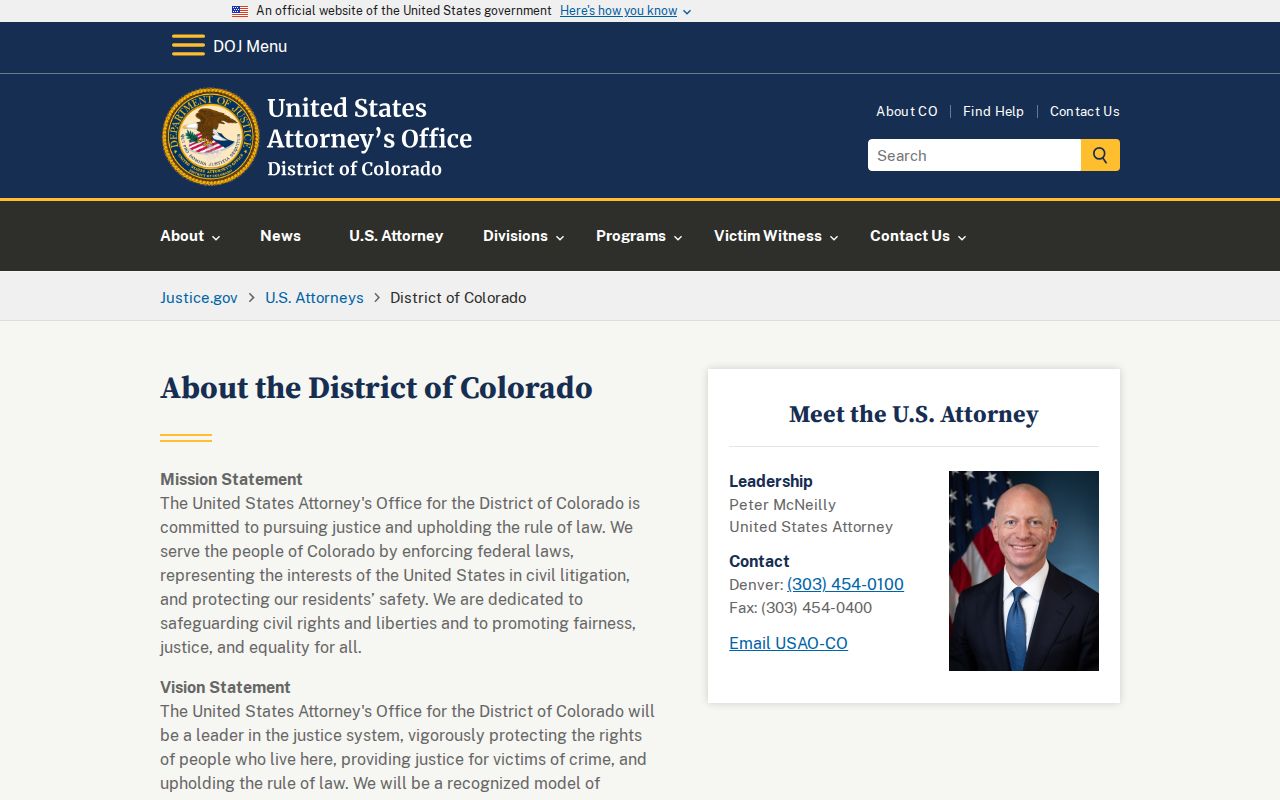
That federal source helps separate state Mesa County criminal court records from cases prosecuted in the federal District of Colorado.
Sealed vs Expunged Records
Restricted criminal court records require careful language. Sealed adult criminal justice records are hidden from ordinary public access by court order or statute, but certain agencies may still have access under law. Expungement is often used for juvenile records and can treat a qualifying record as though it did not exist for public-access purposes. Neither result should be assumed from a missing public search result.
| Point | Sealed | Expunged |
|---|---|---|
| Public visibility | Hidden from ordinary public court searches and public release. | Treated as unavailable to the public, often as though the record did not exist. |
| Common use | Adult criminal justice records and conviction or non-conviction records when eligible. | Juvenile delinquency records in qualifying cases. |
| Access after order | Some government, court, or law enforcement access may remain by law. | Public access is more limited, with rules tied to juvenile expungement law. |
| Mesa County process | File in the court that handled the case and follow notice and hearing rules if required. | Use the Colorado Judicial Branch juvenile expungement forms and eligibility rules. |
The Colorado Bureau of Investigation sealing page identifies C.R.S. 24-72-705 and 24-72-706 for sealing criminal justice records other than convictions and criminal conviction records.
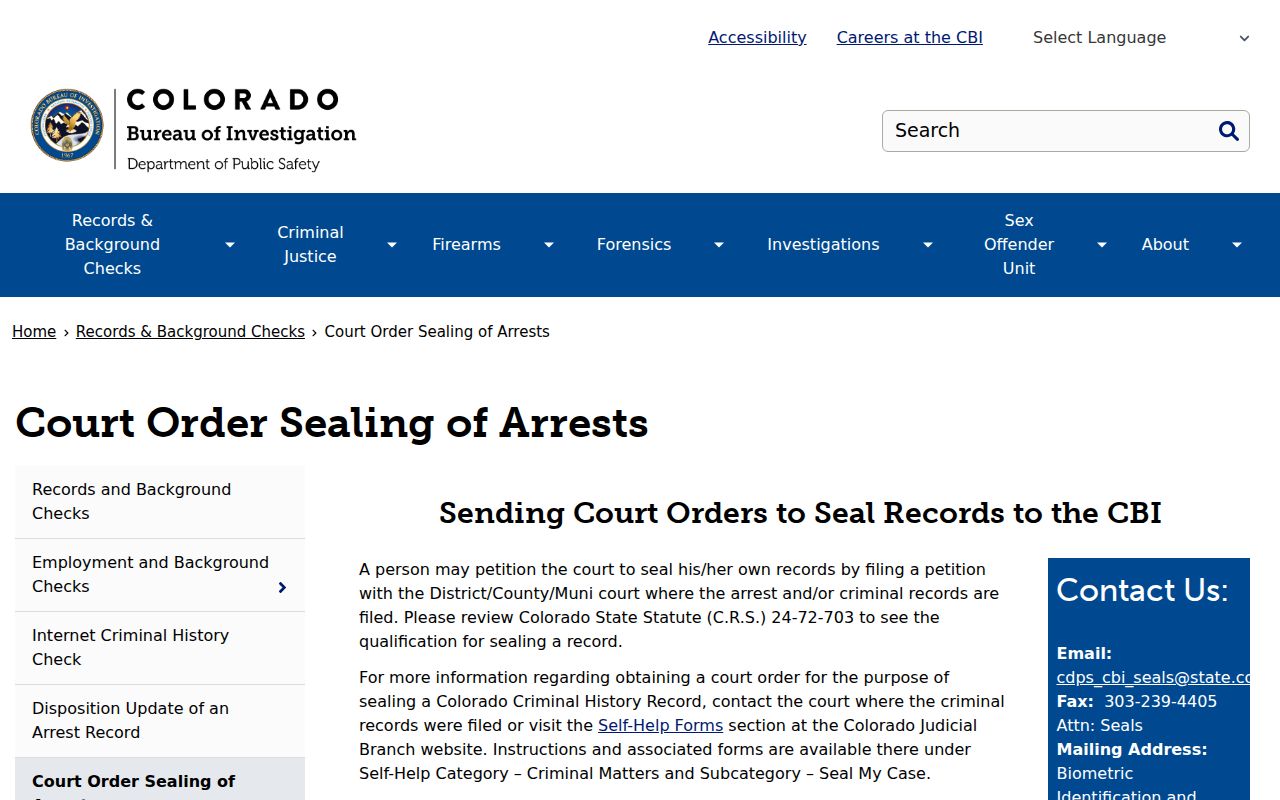
Sealing affects what public users can see, so absence from a public search is not proof that no case or agency record ever existed.
Restricted Mesa Criminal Files
Juvenile matters, sealed criminal cases, victim-sensitive information, protected addresses, medical or mental-health details, financial account numbers, Social Security numbers, dates of birth, and minor names may be redacted or withheld. Arrest records, jail records, and warrants can have separate limits, especially when a case is active or a warrant is sealed. Court records and law enforcement records may not change at the same time after a sealing order, so the court order often must reach multiple custodians.
For practical help, contact the Clerk of Court for court-file access, the District Attorney for prosecution and victim-services questions, and the Public Defender for eligibility or appointed-counsel issues. The Mesa County Justice Center Clerk of Court phone is 970-257-3640. The 21st Judicial District Attorney is at 970-244-1730. The Grand Junction Public Defender office is at 970-245-9122.
Note: Criminal court records show court outcomes; jail custody status and active warrant status use different official channels.